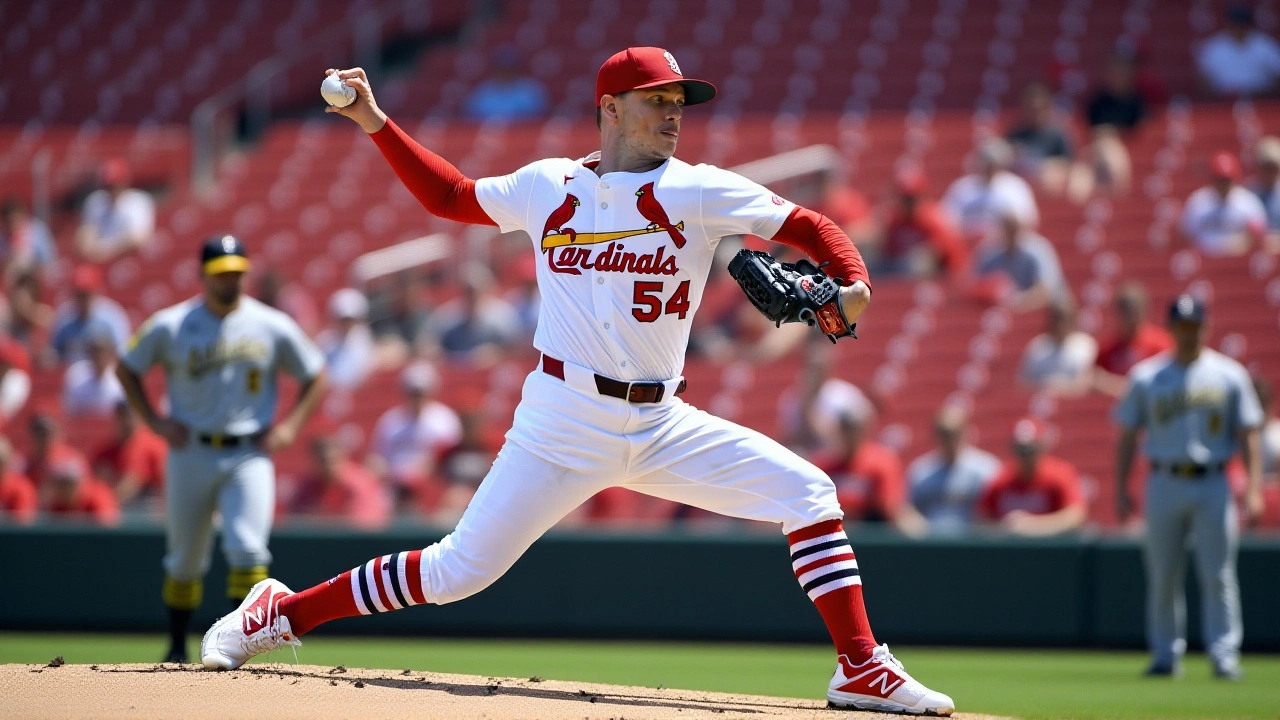
The Boston Red Sox didn’t just add a pitcher this offseason—they added stability, experience, and a rare kind of quiet dominance. On November 25, 2025, at 6:47 a.m. Eastern Time, the Red Sox completed a stunning trade with the St. Louis Cardinals to acquire 36-year-old right-hander Sonny Gray, along with $20 million in cash to offset his salary. In return, Boston sent left-handed pitching prospect Brandon Clarke, right-hander Richard Fitts, and a player to be named later—or more cash. The deal, negotiated by Craig Breslow, Red Sox Chief Baseball Officer, and Chaim Bloom, Cardinals President of Baseball Operations, wasn’t just about talent exchange. It was a financial reset wrapped in baseball logic.
Why This Trade Made Sense for Boston
The Red Sox finished 2025 with an 89-73 record, their first playoff berth since 2021. But their rotation had a glaring hole: after ace Garrett Crochet, there was uncertainty. Enter Gray. In 2025, the veteran pitched 180.2 innings with a 4.28 ERA—but his FIP (Fielding Independent Pitching) of 3.39 told a different story. He was getting unlucky. His walk rate? A career-low 5%. His strikeout-to-walk ratio? Fourth-best among all qualified starters. Baseball Prospectus ranked him the 11th most valuable pitcher in baseball last season. That’s not the kind of guy you pass up when you’re trying to go deep in October. "I don’t know how much sense it makes in November to put a number on a guy," Breslow said. "But when you think about what Sonny has been in this league—it’s a guy who’s pitched at the front of rotations. Strikeout rates, walk rates, staying off barrels. He excels there." Gray’s contract was restructured: his 2026 salary dropped from $35M to $31M, and the buyout on his 2027 mutual option jumped from $5M to $10M. That means, regardless of whether Boston picks up the option, Gray becomes a free agent after the 2026 season. For a team that’s already budgeting for future extensions on Crochet and other core players, this was a perfect short-term fix. No long-term anchor. Just 160+ innings of elite command and durability.The Cardinals’ Calculated Reset
The Cardinals, who missed the playoffs in 2025 for the second time in three years, are clearly in rebuild mode. Sending $20 million to Boston isn’t generosity—it’s strategy. They shed nearly $65 million in future obligations tied to Gray’s original three-year, $75 million deal. That’s room to breathe, and potentially, room to move on from other high-salary veterans like Nolan Arenado. In return, they got two arms with upside. Brandon Clarke, 22, was Boston’s No. 5 prospect. A 6-foot-4 lefty drafted in the fifth round of the 2024 MLB Draft out of Alabama, Clarke posted a 4.03 ERA in 14 starts across Single-A and High-A in his pro debut. His fastball sits in the low 90s, but his slider has sharp, late bite—enough to make scouts believe he could develop into a mid-rotation starter. The Cardinals didn’t just get a prospect. They got a project with ceiling. Then there’s Richard Fitts, 25. He’s not a prospect anymore. He’s a proven MLB arm—though injury-plagued. Fitts made 14 starts over two seasons with Boston, posting a 3.97 ERA. But his 2025 season ended in August due to right arm neuritis, a nerve issue that’s raised concerns. Still, he’s got a clean delivery and decent command. For a Cardinals organization starved for depth, he’s a low-risk, high-reward gamble. A healthy Fitts could slot into a bullpen or swing role.Gray’s Career: The Quiet Ace
It’s easy to overlook Gray because he doesn’t throw 100 mph or flash a 12-6 curveball. But he’s been one of baseball’s most consistent starters since 2013. Over 13 seasons, he’s thrown 1,918 innings with a 3.58 ERA and 1,925 strikeouts. He’s a three-time All-Star. In 2023, he finished second in AL Cy Young voting. And here’s the kicker: he’s struck out 200+ batters in each of the last two seasons. Only five pitchers in MLB have done that. One of them? Garrett Crochet. Gray’s evolution is fascinating. Early in his career with Cincinnati, he walked too many hitters. Then came the Twins, where he learned to pitch smarter. Now, with the Cardinals and now the Red Sox, he’s refined his approach: low contact, high efficiency. He doesn’t need to overpower. He just needs to outthink.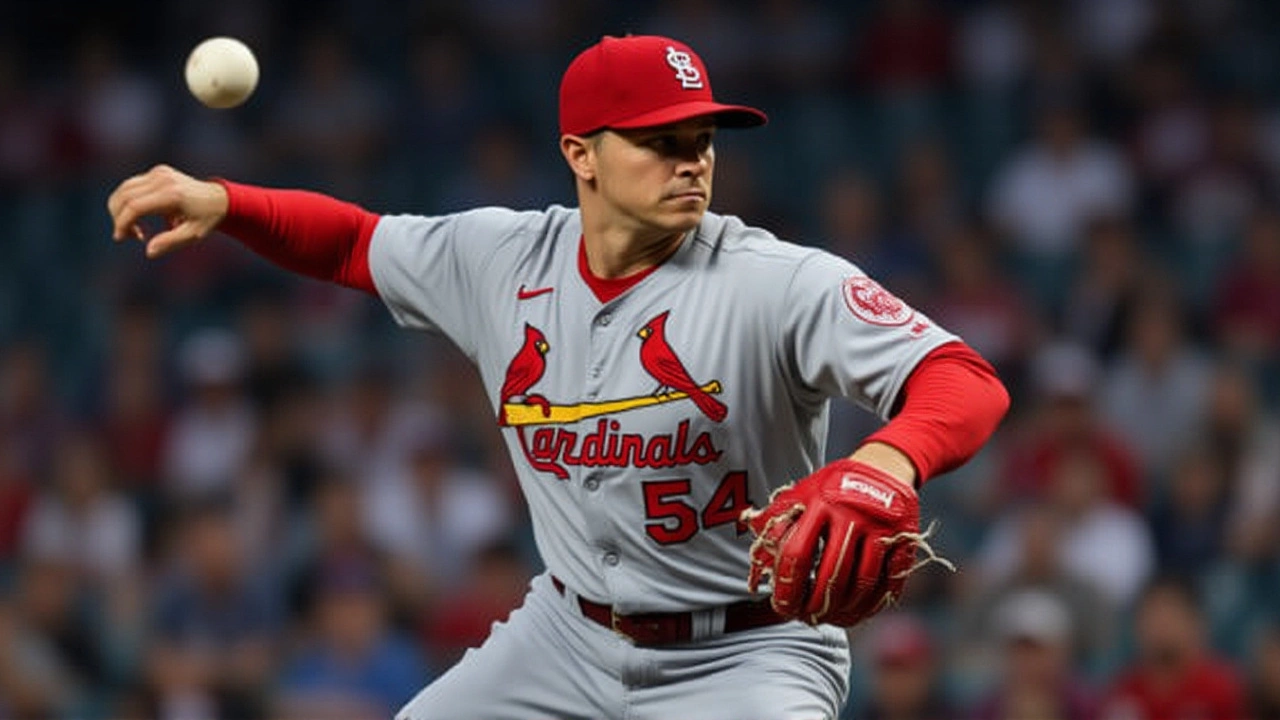
What This Means for the AL East
The Red Sox aren’t done. But this trade signals intent. They’re not just trying to get to the playoffs—they’re trying to win there. Adding Gray means they can now trust their rotation: Crochet at the top, Gray as the steady second, and a mix of young arms—like Brayan Bello and Nick Pivetta—filling out the back end. Meanwhile, the Yankees and Orioles are spending big. The Blue Jays are quietly building. Boston needed to respond. This trade doesn’t make them the favorites. But it makes them dangerous. And in October, danger often comes from veterans who know how to close the door.What’s Next?
The player to be named later will be determined by January 15, 2026. Sources say it’s likely a low-level minor leaguer from the Cardinals’ system, possibly an infielder or another pitching prospect. Boston’s front office is also eyeing a veteran reliever before spring training, possibly to replace the departed Adam Ottavino. As for Gray? He’s already been spotted at Fenway Park, walking the field with Breslow, asking about the bullpen’s tendencies. He’s not here to be a hero. He’s here to be the guy who eats innings and lets the offense win games.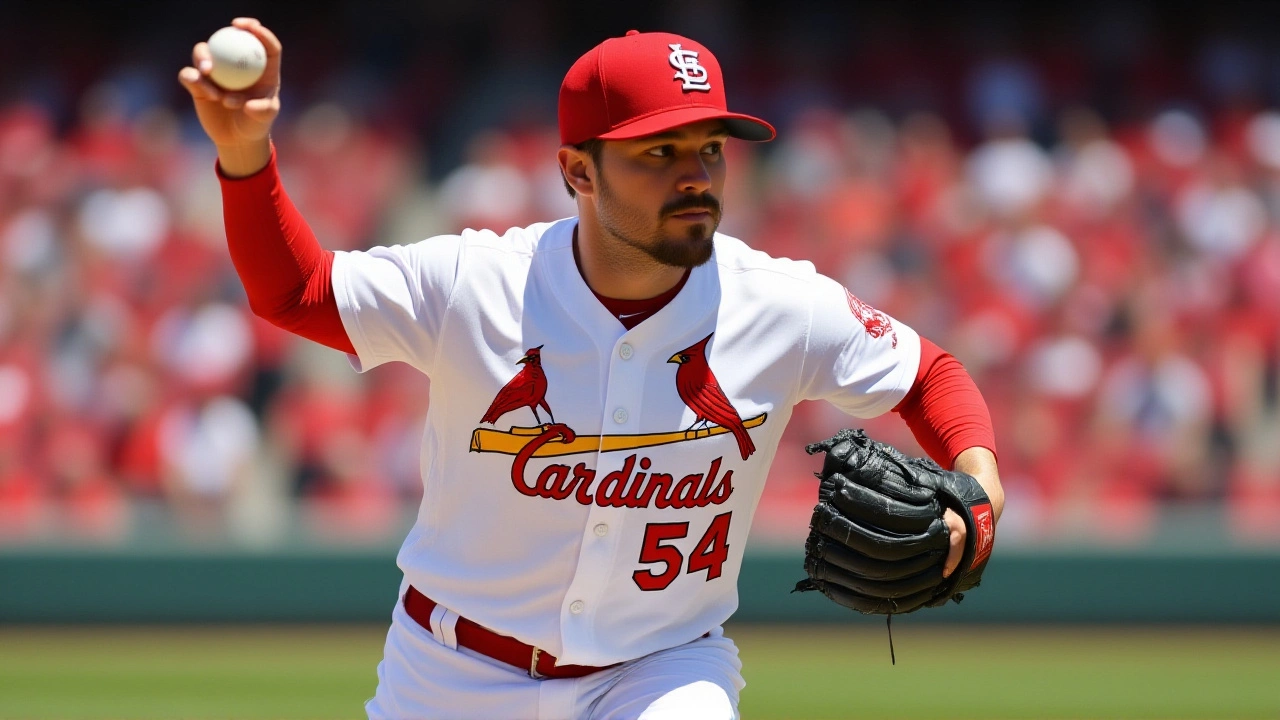
Background: The Breslow-Bloom Connection
The trade’s structure owes much to the personal history between Breslow and Bloom. Bloom ran Boston’s baseball operations from 2019 to 2023. He was the architect of their last playoff run. Now, he’s on the other side—leading a Cardinals team trying to shed payroll and reset. Their familiarity made negotiations smoother. They didn’t need to explain themselves. They already knew what each other valued. It’s rare in baseball for a GM to move from one team to another and then execute a major trade with his former employer. But this isn’t just a transaction. It’s a reflection of how modern baseball operates: relationships matter, and so does timing.Frequently Asked Questions
Why did Sonny Gray waive his no-trade clause?
Gray, who has spent his career in the American League and values competitive teams, reportedly preferred Boston over other potential suitors because of the Red Sox’s recent playoff appearance and strong core. He also appreciated the financial flexibility the deal offered—restructuring his contract to reduce his 2026 salary while securing a $10 million buyout made the move more appealing. His agents cited Boston’s culture and fan support as key factors.
How does this affect the Red Sox’s 2026 payroll?
With $20 million in salary relief from St. Louis, Boston’s net cost for Gray’s 2026 season is $11 million—far below the $35 million originally guaranteed. This frees up nearly $24 million in payroll space, which the front office can use to re-sign key players like Xander Bogaerts or pursue a high-impact reliever. It’s a rare win-win: they get a top-tier starter without overextending.
What’s the risk with Richard Fitts?
Fitts’ 2025 season ended due to right arm neuritis—a nerve inflammation that can be unpredictable. While he’s recovered from a pectoral strain in April, nerve issues often linger and can recur. The Cardinals will monitor him closely during spring training. If healthy, he could be a useful swingman. But if the pain returns, he may require surgery or extended rehab, making him a gamble.
Is Brandon Clarke ready for the majors?
No, not yet. Clarke spent 2025 in Single-A and High-A, pitching 38 innings with a 4.03 ERA. He’s still developing his changeup and command. The Cardinals see him as a 2027-2028 prospect, not a 2026 contributor. His size and pitch mix suggest mid-rotation potential, but he’ll need at least two more seasons in the minors to refine his secondary pitches and handle Triple-A hitters.
Could this trade impact future Red Sox moves?
Absolutely. The $20 million in cash relief sets a precedent: Boston is now willing to pay for elite talent without taking on long-term contracts. That could open the door to similar deals for pitchers like Justin Verlander or Frankie Montas if they become available. It also signals that the Red Sox are no longer afraid to outspend rivals in targeted ways—even if it means giving up prospects.
Why didn’t the Cardinals keep Gray for another year?
Despite Gray’s strong performance, the Cardinals were facing a $65 million payroll commitment over the next two years. With Nolan Arenado’s contract looming and no clear path to contention in 2026, they chose to rebuild. Gray’s age (36) and the fact that he’s a free agent after 2026 made him a perfect candidate for a cash-for-prospects trade. It’s a sign they’re prioritizing long-term growth over short-term wins.